
Welcome to the world of pollinator pathways! These pathways are essential for supporting honeybees and other vital insects. At Heavenly Honey Company, we are proud to promote environments where pollinators can thrive. In this guide, we will explore:
- What pollinator pathways are.
- Why they matter for our food and environment.
- How you can build one in your own backyard.
- The connection between these pathways and delicious honey.
Pomegranate Honey & Tea: Nature’s Perfect Pairing
A Taste of Nature’s Elegance
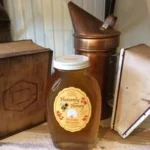
Experience the rich and vibrant taste of Heavenly Honey Company’s Pure & Raw Pomegranate Honey. Sourced from the lush fields of California, this honey captures the essence of pomegranate blossoms, offering a sweet yet tangy flavor profile. Perfect for sweetening your favorite dishes, beverages, or as a delightful spread, our pomegranate honey is a testament to nature’s bounty. Each jar is raw and unfiltered, preserving the natural enzymes and antioxidants that contribute to its wholesome goodness. Visit our website to discover more about this unique and flavorful honey.
A Refreshing Blend
Complement your honey experience with our Organic Pomegranate Tea, a meticulously crafted blend that combines the robust flavors of black tea with the fruity notes of pomegranate. This full-bodied, aromatic tea pairs perfectly with our pomegranate honey, creating a harmonious blend of sweetness and depth. Enjoy it hot or iced for a refreshing and invigorating drink. Whether you are starting your day or winding down in the evening, our Organic Pomegranate Tea offers a delightful companion to our Pure & Raw Pomegranate Honey.
Explore our Honey Products | Delight in our Organic Teas
-
 Lively Pomegranate Loose Leaf TeaPrice range: $ 10.00 through $ 16.00
 -
Pure & Raw Pomegranate HoneyPrice range: $ 7.00 through $ 22.00
Now let’s jump into understanding pollinator pathways!
Understanding Pollinator Pathways
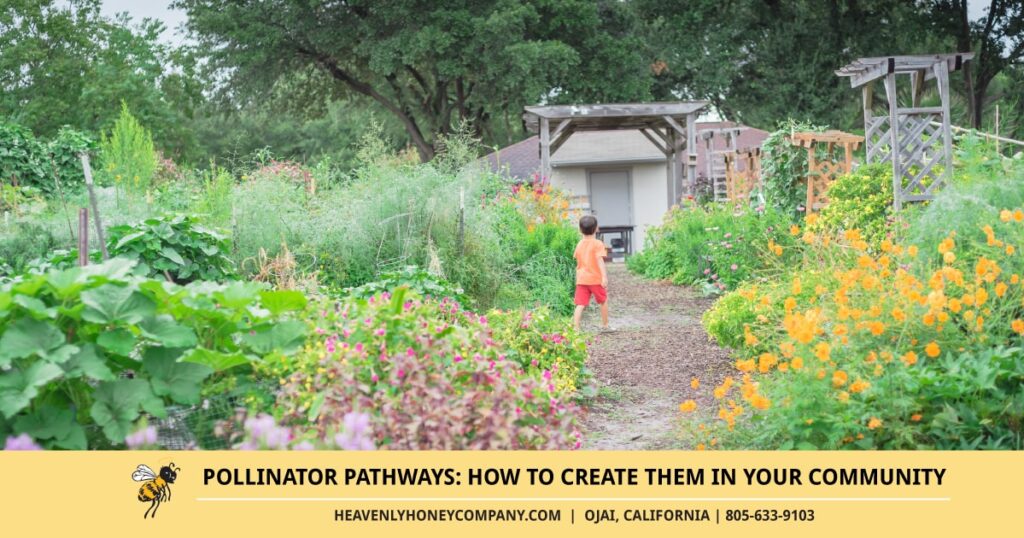
Pollinators like honeybees and butterflies need our help to survive. Think of a pollinator pathway as a “safe highway” for insects. It provides them with food, shelter, and places to breed.
As cities grow, natural spaces get broken up. This makes it hard for insects to travel. Pollinator pathways solve this by connecting green spaces, gardens, and wild areas. This keeps our ecosystem healthy.
What are Pollinator Pathways?
A pollinator pathway is a corridor of habitat. It is a connected line of plants, trees, and shrubs that offer:
- Nectar: Energy for insects.
- Pollen: Protein for young bees.
- Shelter: Protection from weather and predators.
The goal is simple: create a continuous route so pollinators can move freely between feeding and nesting sites without getting lost or starving.
Importance of Pollinators
Pollinators are the engine of our food system. They help plants reproduce, including the fruits, vegetables, and nuts we eat every day.
Without them, our food supply would shrink, and plant variety would disappear. Honeybees are especially important for agriculture. Supporting them isn’t just good for nature—it secures our food future.
Creating a Pollinator Pathway
Building a pathway takes a little planning, but the results are worth it. You need to create an environment where insects want to stay.
The key is variety. By mixing different plants, shrubs, and trees, you ensure there is food available all season long.
Choosing Pollinator Pathway Plants
Picking the right plants is the most important step. Here are the best types of plants to include:
- Wildflowers: These are the backbone of any pollinator garden.
- Milkweed: Essential for Monarch butterflies to breed and feed.
- Coneflowers & Black-eyed Susans: These bloom for a long time, giving bees a steady food supply.
- Herbs: Great for your kitchen and the bees.
- Lavender: The purple flowers smell great and attract butterflies.
- Rosemary: Blooms early in spring, feeding bees when they first wake up from winter.
- Thyme: Offers hundreds of tiny flowers packed with nectar.
- Bright Flowers: Bold colors attract insects from a distance.
- Sunflowers: Their large faces make it easy for bees to land.
- Marigolds: Known to repel bad pests while attracting bees.
- Zinnias: Come in many colors and attract hummingbirds.
Pro Tip: Choose native plants whenever possible. They are used to your local weather and soil, so they grow better with less work.
Incorporating Trees and Shrubs
Don’t forget the big plants! Trees and shrubs add “vertical structure” to your garden. This gives pollinators more places to hide and eat.
- Fruit Trees: Apple, cherry, and plum trees are fantastic. They provide massive amounts of nectar in the spring. Plus, you get to eat the fruit!
- Flowering Shrubs:
- Rhododendrons & Azaleas: Showy blooms with lots of nectar.
- Butterfly Bushes: As the name suggests, butterflies love them.
- Nut Trees: Almond trees rely heavily on bees. By planting them, you support the bees and get delicious nuts. Hazelnut trees are also great for providing shelter.
Designing and Maintaining Your Pollinator Pathway
Here are three simple rules for a healthy garden:
- Plant for Diversity: Mix plants that bloom at different times. You want flowers in early spring, summer, and late fall so bees never go hungry.
- Avoid Pesticides: Chemicals kill the good bugs along with the bad ones. Instead of sprays, use natural methods like Neem oil or introduce ladybugs to eat pests.
- Provide Water: Insects get thirsty! Put out a shallow birdbath or saucer with water. Crucial: Add pebbles or marbles to the water so bees have a place to land without drowning.
The Role of Greenhouses in Pollinator Pathways
Greenhouses aren’t just for winter. They can actually extend the pollinator season.
By using a greenhouse, you can grow plants year-round. This provides a steady supply of pollen even when the weather outside is bad.
Creating Pollinator-Friendly Greenhouse Environments
If you have a greenhouse, here is how to make it safe for bees:
- Plant Diversity: Grow herbs (like mint and basil) inside. They thrive in greenhouses and provide great food.
- Access Points: Bees need a way in and out. Use mesh screens on vents. This lets bees pass through but keeps larger pests out.
- Water Sources: It gets hot in there! Keep shallow water dishes inside to keep pollinators hydrated.
Pollinator Pathways and Honey Production
Healthy pathways equal better honey. It’s that simple.
Honeybees need diverse food sources to make high-quality honey. When bees have access to a rich “buffet” of flowers, their colonies get stronger.
California Honeybees
In California, honeybees are VIPs (Very Important Pollinators). They support the state’s massive almond, berry, and melon crops. Pollinator pathways keep these populations strong, which supports local farmers.
Honey Production and Pollinator Health
At Heavenly Honey Company, we see the results firsthand.
- Bees with better food produce richer honey.
- Our raw, unfiltered honey is packed with flavor and nutrients because our bees are healthy.
- Honey from diverse pathways contains more antioxidants, vitamins, and minerals.
Recap of Pollinator Pathways
Creating a pollinator pathway is a rewarding way to give back to nature. It supports honeybees, ensures we have food on our tables, and makes your garden beautiful.
Ready to get started? We encourage you to plant your own pathway. Join us in supporting these essential creatures!
FAQs About Pollinator Pathways
Why are bees important for pollination?
Bees are the world’s best pollinators. They have special bodies (like hairy legs and pollen baskets) designed to carry pollen. This process allows plants to grow fruits, veggies, nuts, and seeds. Simply put: without bees, our diet would be very boring.
Are yellow jackets pollinators?
Yes, but not the best ones. Yellow jackets are mostly known for stinging, but they do visit flowers for sugar. They can move pollen around, but they aren’t as efficient as honeybees. However, they are good at eating garden pests!
Are dragonflies pollinators?
No. Dragonflies do not eat nectar or pollen. They are predators that eat mosquitoes and flies. While they are great for pest control, they don’t help plants reproduce.
Are ladybugs pollinators?
No. Ladybugs (or lady beetles) mostly eat aphids and mites. They might land on a flower occasionally, but they don’t carry enough pollen to matter. Their main job is acting as natural pest control.
Are ants pollinators?
Sort of, but rarely. Ants sometimes move pollen while crawling on flowers, but they aren’t good at it. In fact, some ants produce a chemical that hurts pollen. Like earthworms, ants are better at improving soil than pollinating flowers.