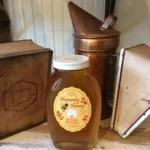

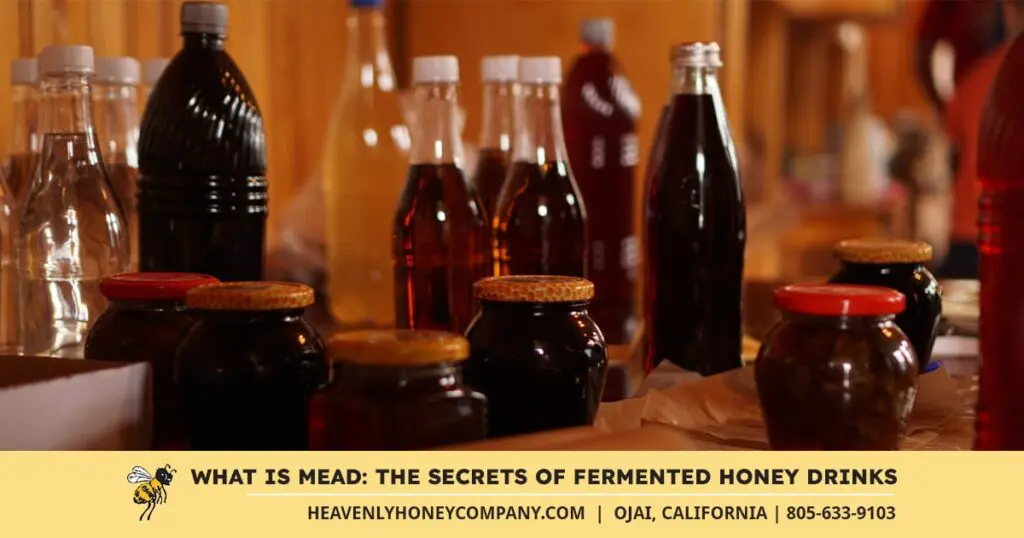
The next adventure for Heavenly Honey Company is in mead making! This year, 2024, you will see this nectar of the gods on our store shelves available for you to both taste and take home with you. We wanted to write this blog, just in case you had not heard of mead before, and to invite you on this journey with us!
🌟 EMBRACE THE PURE DELIGHT OF NATURE WITH OUR RAW, UNFILTERED HONEY COLLECTIONS! 🐝💛
INDULGE IN THE RICH, NATURAL GOODNESS OF OUR RAW, UNFILTERED HONEY VARIETIES:
Muth Trio – CA Collection: This collection includes three of California’s greatest hits in local honey. Taste the delicate nectar from our native Ojai Sage brush (which offers a beautifully clean sweetness without an herbal sage taste), enjoy the deep complexity of our Ojai Wildflower honey (a true capture of nature’s bounty that changes slightly each year with the blooms), and savor our Orange Blossom honey—so pure and aromatic you can literally smell the orchards in the jar! Sweet, floral, and highly versatile, it’s the perfect introduction to California’s finest.
Muth Trio – Queens Collection: Discover three of our most popular, luxurious limited-edition honeys. Experience our truly unique, one-of-a-kind Ojai Lavender Infused honey, crafted with a patient, slow-infused process that ensures a delicate, smile-inducing lavender experience. You’ll also explore two spectacular Oregon varieties: our Wild Blackberry honey, which surprises the palate with the natural, jammy notes of wild summer fruit, and our legendary Meadowfoam honey, celebrated by connoisseurs for its mind-blowing, natural notes of toasted marshmallow.
START YOUR SWEET ADVENTURE NOW!
-
 Muth Trio – Queens Collection$ 50.00
 -
Muth Trio – CA Collection$ 45.00


Now let’s jump into What Mead is!
Ojai Metheglin-Inspired Spiced Honey Elixir
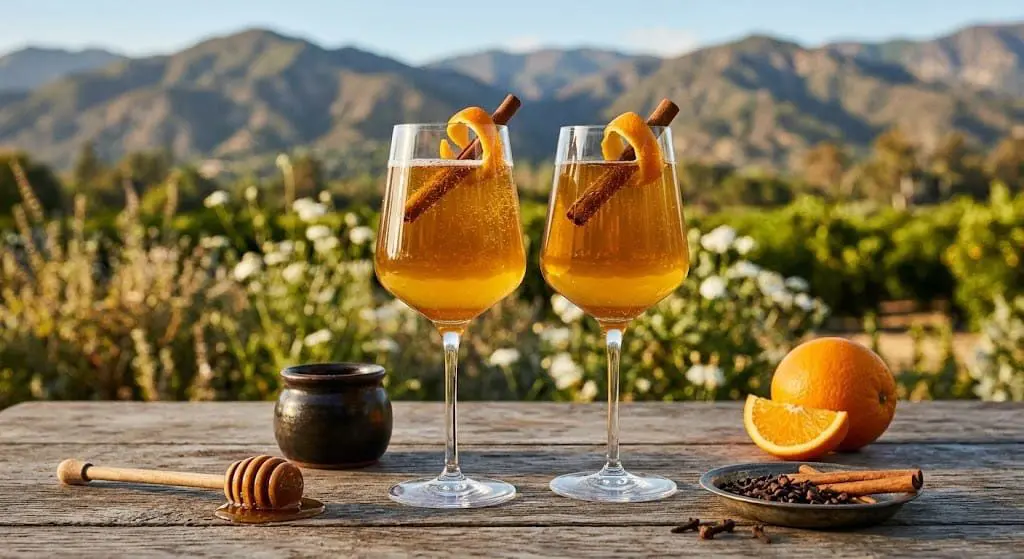
While traditional mead requires months of patient fermentation to transform honey into the legendary “nectar of the gods,” you can enjoy the aromatic profiles of an ancient spiced mead—historically known as a metheglin—in minutes. This crisp, effervescent mocktail utilizes the complex, jammy notes of Wild Blackberry honey from our Queens Collection (or the classic complexity of Ojai Wildflower from the CA Collection), marrying it with warm baking spices and a splash of apple cider vinegar to perfectly mimic that signature fermented mead tang.
- Prep time: 10 minutes
- Cook time: 0 minutes
- Yield: 2 servings
Ingredients:
- 1 cup warm water
- 3 tbsp raw honey (Wild Blackberry from the Queens Collection or Ojai Wildflower from the CA Collection)
- 1 whole cinnamon stick
- 2 whole cloves
- 2 tbsp fresh orange juice
- 1 tsp apple cider vinegar (the secret to adding that subtle, fermented mead-like depth)
- 1 cup sparkling water or club soda
- Fresh orange twists and extra cinnamon sticks for garnish
- Ice cubes
Instructions:
- In a glass jar or cocktail shaker, combine the warm water, raw honey, cinnamon stick, and cloves. Stir thoroughly until the honey completely dissolves into the water, creating an aromatic spiced honey base. Let it sit for 5 minutes to allow the spices to infuse, then remove the cloves.
- Pour in the fresh orange juice and apple cider vinegar, then drop in a generous handful of ice cubes.
- Secure the lid tightly and shake vigorously for 10–15 seconds to chill and aerate the mixture.
- Strain the liquid evenly into two elegant stemware glasses or goblets filled with fresh ice.
- Top each glass with sparkling water or club soda to introduce a crisp, celebratory fizz that mimics a young, sparkling mead.
- Garnish with a fresh orange twist and a cinnamon stick, and toast to the ancient craft of honey wine!
What is Mead?
Mead, often referred to as honey wine, is a fascinating and ancient beverage that has captivated humanity for centuries. Its unique taste, which can range from dry to semi-sweet or sweet, and its rich history, intertwined with epic tales like Beowulf, make it a drink worth exploring. In this article, ‘What is Mead’, we delve into the world of mead, exploring its origins, varieties, and why it’s often called the ‘nectar of the gods.’ As we explore the enchanting world of mead, it’s also intriguing to understand the role of beeswax in beekeeping, a vital by-product of the honey production process that contributes to the creation of this timeless beverage.
The Ancient Roots of Mead
Mead’s history is as rich and complex as its flavor. Often cited as the oldest alcoholic beverage, there is evidence of mead dating back thousands of years. In northern China, pottery vessels from around 7000 BC have been found with residues of a fermented mixture of honey, rice, and fruits. This predates the cultivation of grapes for wine, making mead a strong contender for the title of the oldest known alcoholic drink.
How Honey Was Used In Ancient Rome by Olivia Haskins

Honey has been a significant part of human history, existing even before biblical times. Its discovery in ancient fossils revealed its long-standing presence. In these early times, honey was not just a sweetener but a vital component of daily life, especially in Rome. Olivia Haskins’s insightful exploration, “How Honey Was Used In Ancient Rome,” sheds light on this multifaceted use of honey.
The Transformation from Honey Water to Mead
For the Romans, honey was more than a dietary staple; it was a versatile substance. They knew it as a remedy for pain and a key ingredient in their cuisine. A notable use of honey was in the creation of a refreshing drink for laborers, which eventually evolved into mead through fermentation. This alcoholic drink, known as hydromel, became a crucial part of Roman culture, even surpassing wine in importance due to its health benefits. However, this luxury was often reserved for the higher classes, typically royalty. Learn more about the history of mead here.
Medicinal Uses of Honey in Rome
Honey’s role extended beyond food; it was a renowned medicine. It was used for treating various ailments, from internal pain to open wounds, sore throats, and fevers. Romans often turned to honey for its healing properties, using it as a natural painkiller and for its antibacterial qualities, akin to hydrogen peroxide.
The Dual Nature of Honey: Beneficial and Harmful
Interestingly, not all honey was beneficial in ancient Rome. The Rhododendron Ponticum plant produced a type of honey known as “mad honey,” which had hallucinogenic effects. This honey caused significant problems for those who consumed it in excess, including Xenophon’s Greek army in 401 B.C.E. The Persians even used this honey strategically against the Romans. Discover more about mad honey here and here.
Thyme Honey: The Roman Delight
Among the various types of honey, Thyme honey was particularly favored in Rome. This light and sweet honey was not only used in food but also in medicine. The Romans cultivated Thyme near their beehives, enhancing the honey’s quality. This practice of influencing honey’s flavor through specific plants is still prevalent. Thyme honey was likely the go-to choice for Roman doctors treating injuries or illnesses. Explore more about Thyme honey here and here.
The Legacy of Honey in Rome
Honey’s legacy in Rome was multifaceted. It was a natural healer, a weapon, and a refreshing drink. Its use and significance have endured through the ages, continuing to be a valuable resource in modern times. For more insights into the use of honey in ancient Rome, particularly in the case of a toddler with tooth decay, visit this link.
The Evolution of Mead: From Ancient Times to Modern Day
Mead has evolved significantly over the centuries. From the traditional mead made with just honey, water, and yeast to the numerous varieties available today, mead has adapted to changing tastes and cultures. Modern mead makers experiment with various ingredients, creating dry, semi-sweet, and sweet meads. Some even infuse fruits, spices, or herbs to add complexity to the flavor, tapping into the exciting world of hot honey, a blend of traditional sweetness with a spicy kick.
Mead in Literature and Culture
Mead’s presence in literature and culture is both profound and enduring. In the epic poem Beowulf, mead is more than a mere beverage; it symbolizes fellowship, celebration, and reward. The mead hall, Heorot, is a central location in the poem, representing a place of community, warmth, and stories. This depiction of mead as the drink of warriors and kings is not just limited to Beowulf. In Norse mythology, mead is often associated with the gods. The legendary mead of poetry, a drink that bestows the gift of eloquence and wisdom upon those who consume it, is a testament to mead’s revered status in ancient cultures.
Mead’s literary journey continues through history, appearing in works by Chaucer and Shakespeare, where it is often associated with festivity and celebration. This historical and cultural significance of mead has kept it alive in the collective consciousness, inspiring a sense of nostalgia and reverence for the past. Moreover, the enchanting differences between dark honey vs light honey, focusing on our unique varieties, have a significant influence on mead’s flavor, offering a spectrum of tastes from sweet to robust.
Mead Today: A Renaissance
In recent years, mead has seen a remarkable resurgence, often described as a renaissance. The growing interest in craft beverages and artisanal production methods partly drives this revival. Mead makers are experimenting with various ingredients, from traditional recipes to innovative blends that include local and exotic fruits, spices, and even hops, creating a diverse range of flavors that appeal to a broad audience.
This renewed interest in mead has also been fueled by its appeal to health-conscious consumers. As a gluten-free alternative to beer and wine, mead is gaining popularity among those with gluten sensitivities or those simply looking for something different. The craft beverage movement’s emphasis on small-batch, locally sourced, and handcrafted products aligns perfectly with the artisanal nature of mead-making, further boosting its popularity.
The Health Benefits of Mead
While discussing the health benefits of mead, it’s also important to consider the type of honey used, particularly understanding the differences between filtered and unfiltered honey. While mead’s delightful taste is a key attraction, its health benefits cannot be overlooked. The primary ingredient, honey, is known for its natural health properties. Rich in antioxidants and vitamins, honey contributes to the overall nutritional value of mead. These antioxidants can help combat inflammation and protect the body from oxidative stress.
Furthermore, the fermentation process in mead-making can produce probiotics, which are beneficial for gut health. Some varieties of mead, especially those that retain a level of sweetness, may also have a lower glycemic index compared to other alcoholic beverages, making them a potentially better choice for those monitoring their sugar intake.
It’s important to note that while mead does offer these health benefits, it is still an alcoholic beverage and should be consumed responsibly. The balance of enjoying mead’s unique flavors and its healthful properties is what makes it more than just an ordinary drink, but a beverage with a rich history and a place in modern healthy lifestyles.
Conclusion: Mead’s Timeless Appeal
Mead’s journey from the ancient world to our tables today is a testament to its enduring appeal. Whether you’re a history enthusiast, a lover of unique alcoholic beverages, or someone interested in the health benefits of honey, mead offers something for everyone. Its rich history, diverse varieties, and delicious taste make it a drink that continues to enchant and delight. Beyond mead, the versatility of honey in products like soap highlights the multifaceted uses of this natural ingredient, further demonstrating its significance throughout history. So, the next time you sip on a glass of mead, remember that you’re partaking in a tradition that spans millennia, a tradition that has earned mead the title of ‘nectar of the gods.’